Product Intelligence Platform

Turn product intelligence into product strategy

See what the world’s leading product teams launched, priced, designed and built for themselves, how they organise, and what happened next. Then research, test and decide your next move with 20,000+ judged signals behind every call on your roadmap.

Read the newsletter
Built forHeads of ProductVP ProductProduct teamsC-SuiteVCs

20,000+ product signals, read and judged so you only see what matters

⬤app.departmentofproduct.com
Product Intelligence

Signals

Track launches, feature releases, internal tooling, hiring, and positioning shifts in one place.

20,000+ signals judged · 6,500 active

Showing 1–6 of 3,317

Tracking product excellence at world-leading teams

Decide what to build next, grounded in real market evidence

Signals20,000+
AllLaunchFeatureInternal toolAI adoption
FigmaShipped an agent that turns a design file into a prototypeLaunch2h ago
LinearInitiatives now support team ownership and private visibilityFeature18h ago
StripeMoved code review onto an internal coding agentInternal tool1d ago
AnthropicReleased a paper on measuring model introspectionResearch1d ago
RampOpened 8 ML engineering roles across two new officesOrg3d ago
Product Intelligence20,000+ product signals

Put real innovation on your roadmap

Know what the world’s leading product-led companies are actually shipping. Agents and the harnesses around them, new model releases, MCP integrations, voice interfaces, retrieval and eval tooling — alongside the pricing moves, internal tooling and hiring that show what a team is really betting on.

Spot an emerging technology while it is still a decision, not after it is table stakes.

Make strategic decisions grounded in your market’s signals

Put the question in the middle of a Thought Canvas and build the case around it, with evidence from Product Intelligence, the realistic options and a framework run over them. Or ask the Thought Partner and get an answer drawn from what the market has already done. Either way, every claim shows where it came from, and the finished work becomes a deck or a document to share.

One canvas for “Should we move our AI features to usage-based pricing?”: the evidence it found, the three options it laid out, and a pre-mortem that weighs them.

Should we move from per-seat to usage pricing?Are we losing on price or on positioning?Where is there uncontested space for us?What could we stop competing on entirely?Are we differentiated, or just different?What would we build if we started today?Which of our assumptions is most out of date?
Build our own AI layer, or partner?Should we go upmarket or deepen the core?Where could we change the rules of our category?What makes us genuinely hard to copy?What would a well-funded new entrant do to us?Which emerging behaviour should we bet on?
What should we stop doing next quarter?Do we charge for AI, or bundle it in?What is everyone in our category getting wrong?What would make a customer switch away from us?What should we build that nobody else is?Where is the market heading that we are not?

500+ teardowns and 5,000+ UX components — homepages, pricing, AI features and more

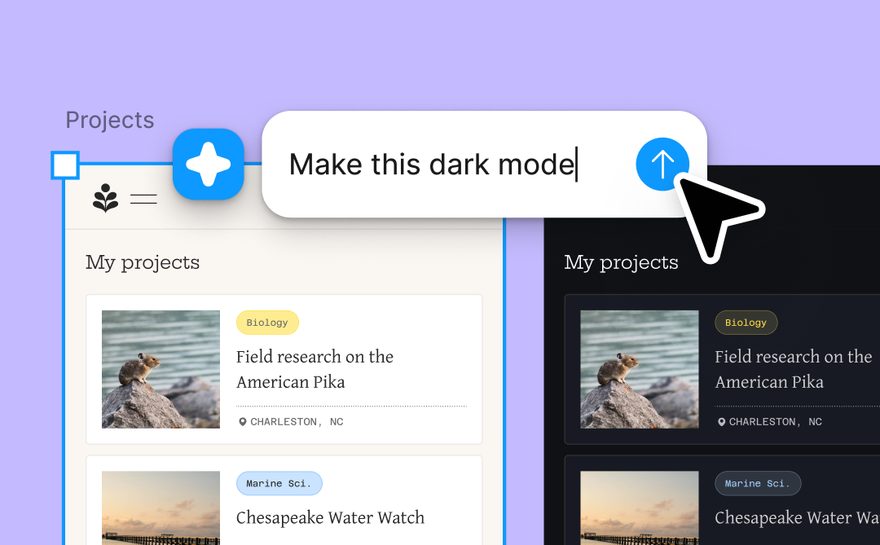
AI FeaturesCursorDesign mode
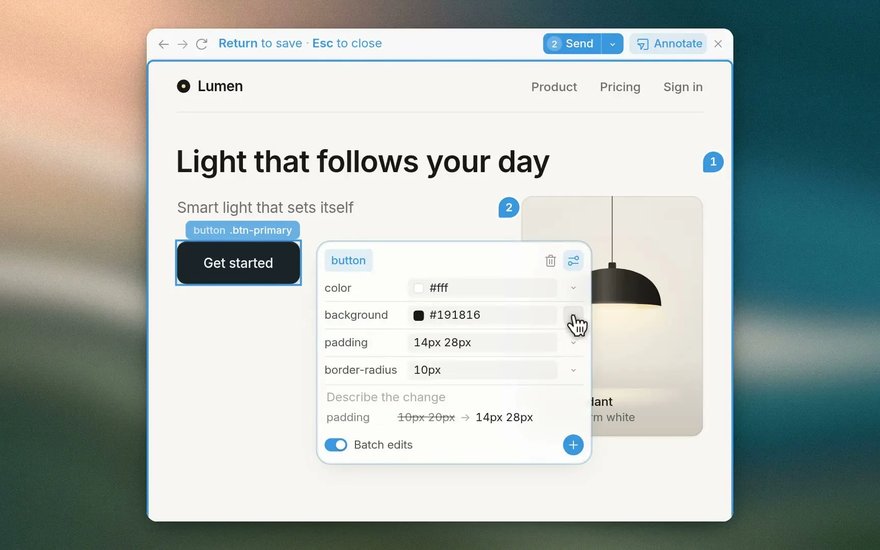
Cursor ai features capture

Point at the page, and the agent gets the instruction

Clicks, CSS edits and freehand drawing on a live webpage become numbered instructions a coding agent can read and act on.

Inline property panelNumbered annotation badgesFreehand draw-to-promptDiff-before-send
AI FeaturesAnthropicClaude Duet
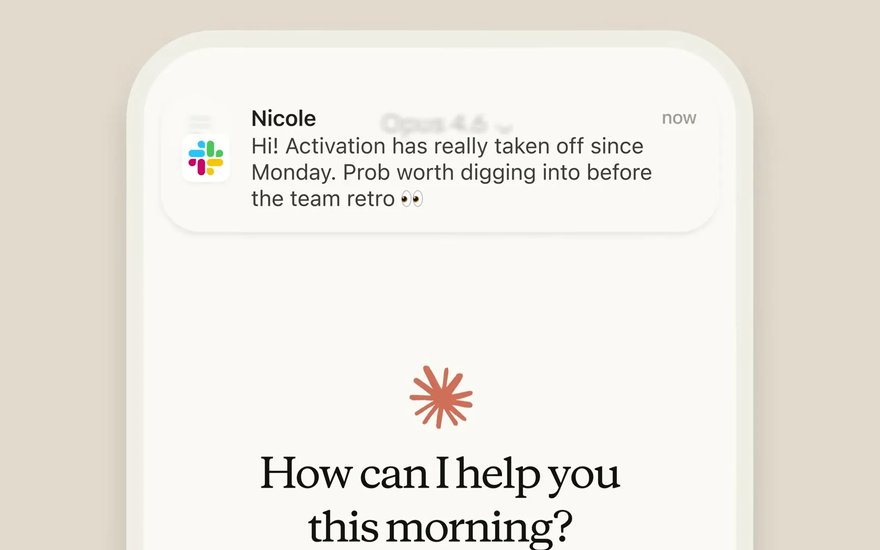
Anthropic ai features capture

A colleague’s Slack message starts the investigation

One message becomes a self-driven investigation that pulls data from Amplitude, compares flows in Figma and drafts a Canva deck, all in one chat thread.

Notification-as-triggerInline tool widgetsNamed connector rows
PricingStripeScores 85 / 100
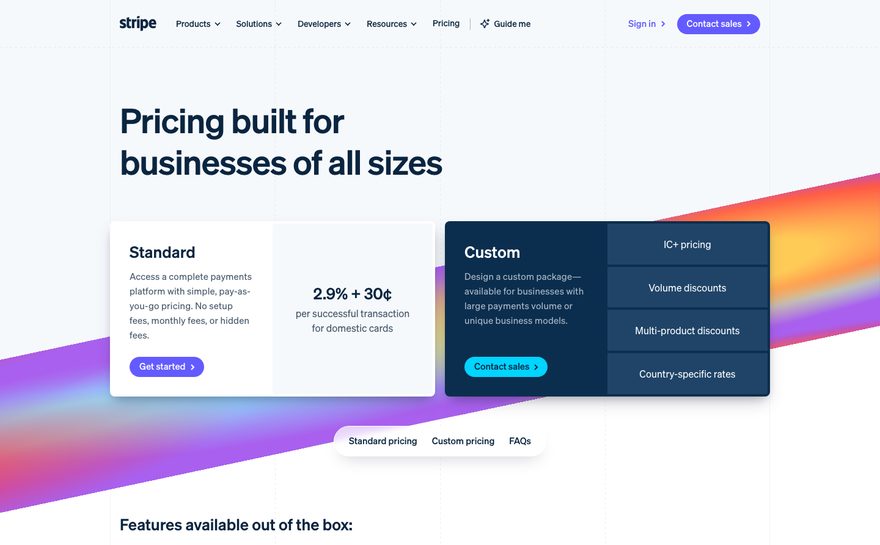
Stripe pricing capture

Transparent per-transaction pricing, no sales call

Price transparency5
Tier clarity4
Comparison density4
AI packaging clarity4
Transparent default pricingInteractive calculatorProgressive complexity
AI FeaturesNotionAgent tasks
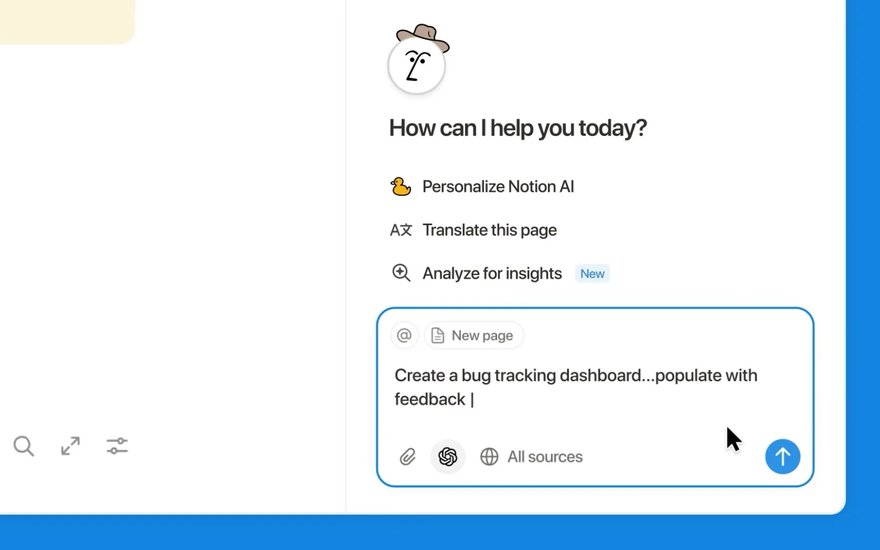
Notion ai features capture

Agents that run for 24 hours, then check their own work

Agents get their own compute and browser for up to 24 hours, an Auto model picker for each task, and a Review for me mode.

Collapsible status lineInline stop controlTiered tool menu
AI FeaturesFigmaAI Design Agent
Figma ai features capture

An agent that works on the canvas, not in a sidebar

Capability framing4
Trust & control4
Discoverability3
Output editability5
Native-canvas embedding, not a sidebarDesign-system-aware generation
SearchNetflixNatural Language Search
Netflix search capture

Search by mood, act on the result immediately

Query expressiveness5
Result relevance4
Path to action5
Mode legibility3
Mood-phrase query over title/genre matchImmediate action from results, no detour to a detail page
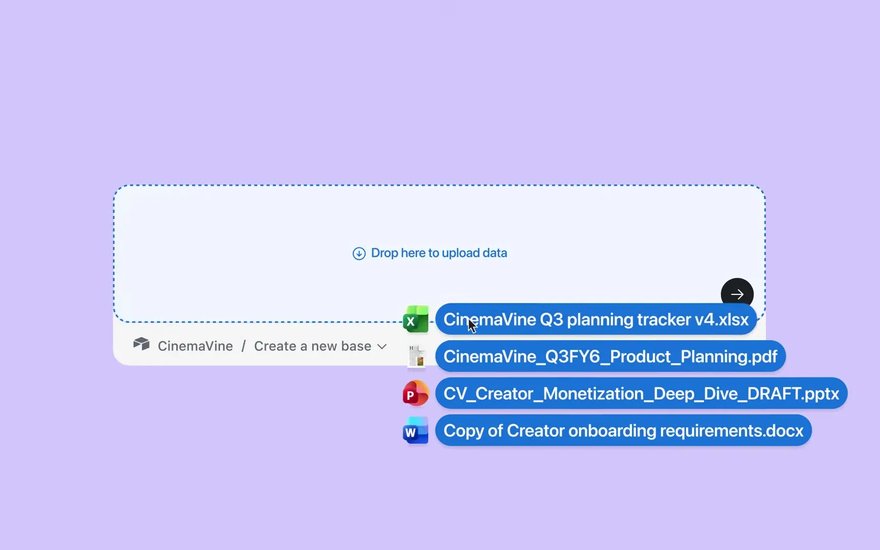
AI FeaturesAirtableOmni 2.0 and Canvas
Airtable ai features capture

Drop in spreadsheets and decks, get a base and a dashboard

Omni 2.0 turns dropped files into structured bases, then Canvas turns that data into a generated dashboard page.

Multi-file drag-inPrompt-to-dashboard generationMetric card row
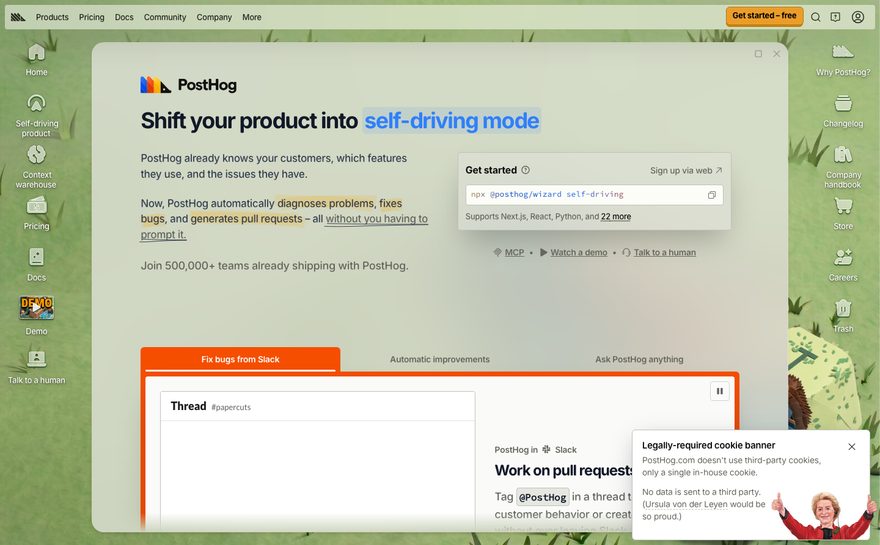
HomepagePostHogProduct-led
PostHog homepage capture

Shift your product into self-driving mode

Proposition clarity4
Visual hierarchy3
Distinctiveness5
Information density4
Left sidebar navigation menuProduct demonstration showcaseSocial proof statement
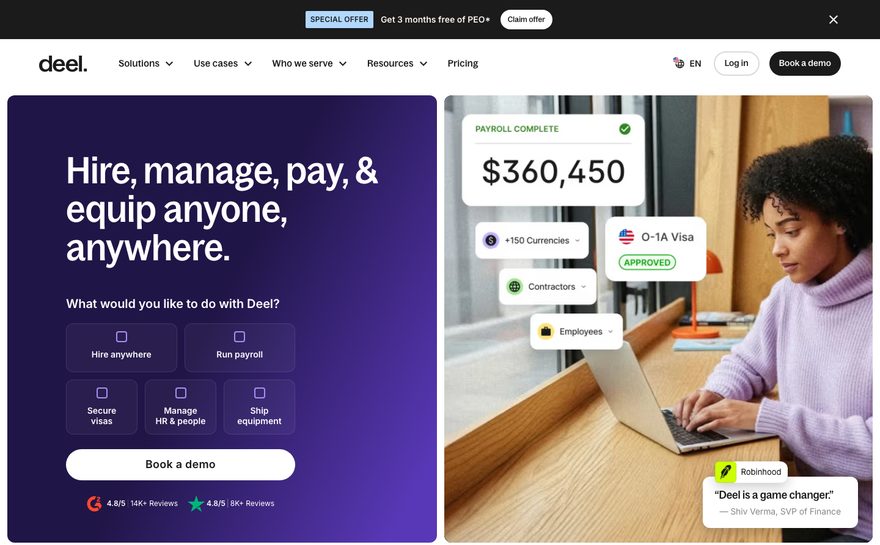
HomepageDeelConversion-led

Deel homepage capture

Hire, manage, pay, & equip anyone, anywhere.

Proposition clarity5
Visual hierarchy4
Distinctiveness3
Information density4
Hero section with dual layoutDual review badgesLogo wall social proof
HomepageLinearProduct-led
Linear homepage capture

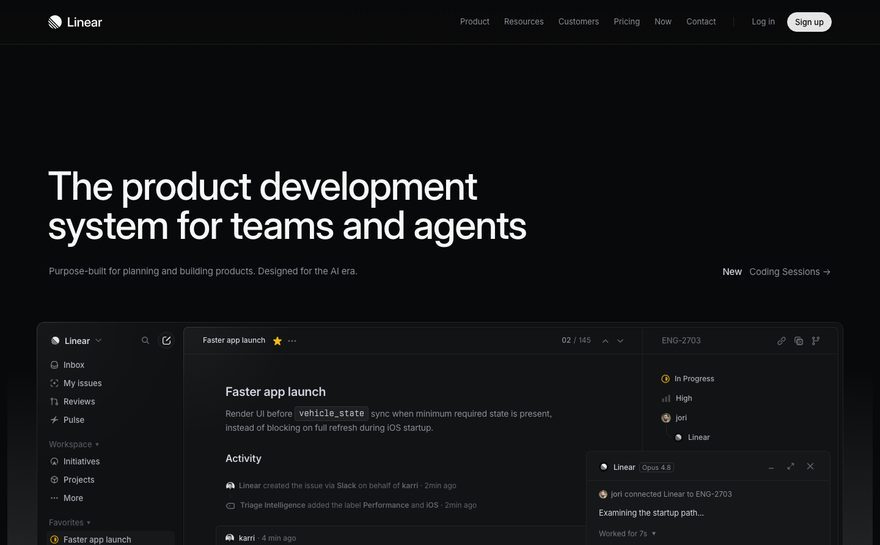
The product development system for teams and agents

Proposition clarity4
Visual hierarchy3
Distinctiveness4
Information density4
Live product UI in the heroNamed agents beside human teammatesDecimal section numbering

Explore UX teardowns

Get weeks of product research done in minutes

Ask a broader question and DoP Deep Research searches the whole library, then writes it up. All of these sample reports were generated by the platform:

20,000+

product signals read and judged, so you only see what actually matters

400+

sources monitored continuously — blogs, changelogs, filings, job boards

500+

product leaders tracked — who they are and what they say

500+

homepage, pricing and AI feature teardowns

Why this is different

This is not competitive intelligence. It is product intelligence.

Knowing exactly what the world’s best product teams are building is genuinely hard to find out. It is scattered across changelogs, engineering blogs, pricing pages, job boards and earnings calls, and nobody assembles it — so most product leaders end up working from a conference talk and a screenshot someone dropped in Slack.



Department of Product does that one job: understanding how leading product organisations actually operate, and turning it into your own strategy and ways of working.

Ask it the questions you can’t just look up:

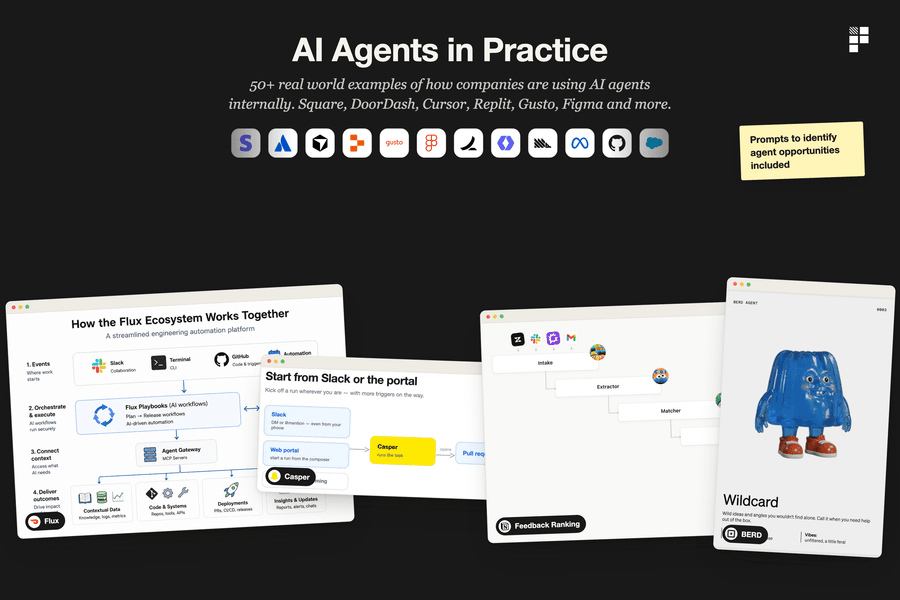
  • How are companies using AI agents internally?
  • What new voice UX opportunities should I be aware of?
  • What are product leaders saying about the future of design?
  • How are companies pricing AI features?
  • What new homepage patterns are being shipped?
  • How could my company use the new technologies that are emerging?

From the newsletter

Practical AI knowledge for people building products

See more of the platform

Learn from the best product teams in the world.

See the platform with your own company set up inside it: the product teams you want to learn from, your homepage and pricing scored against the same rubric, and your AI maturity placed on the same scale as the teams you admire.

Read the newsletter