
















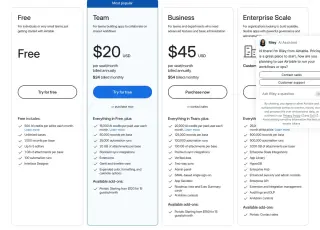
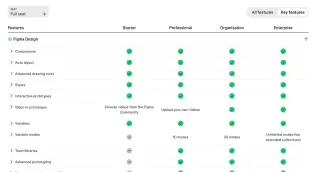
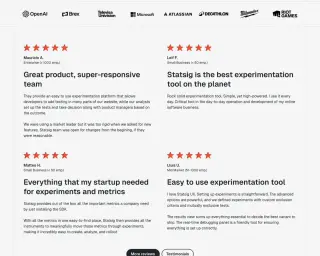

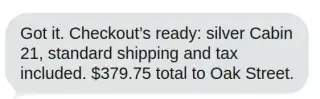



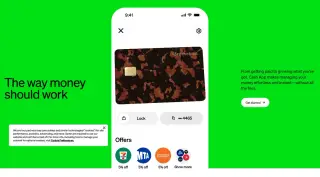











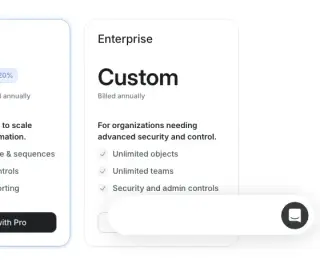



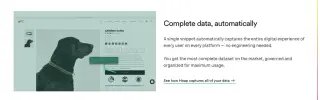
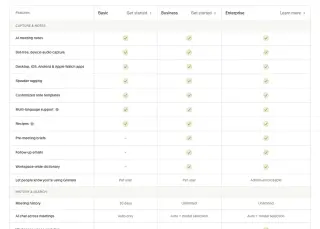




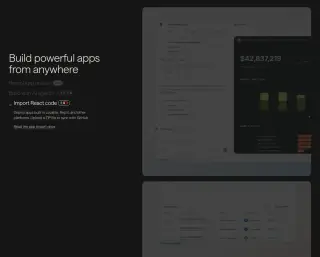
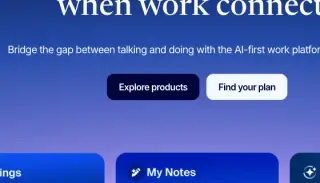

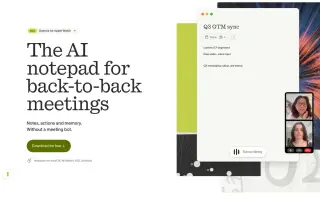

























 StripeScores 85 / 100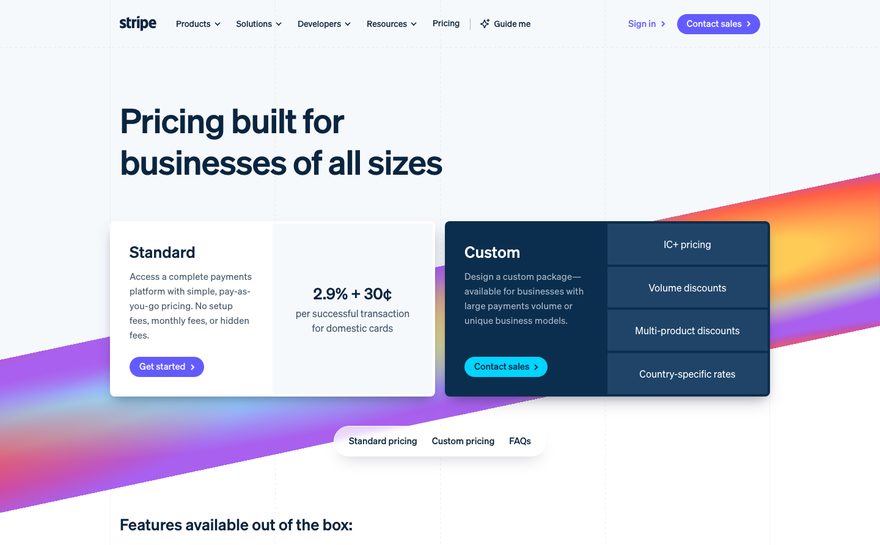
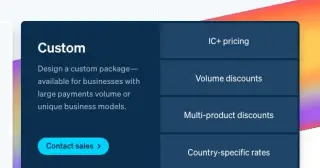
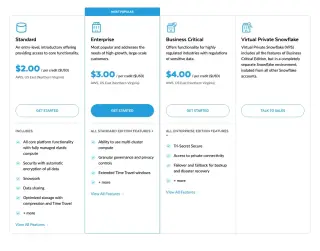
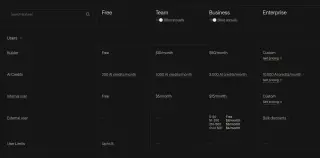
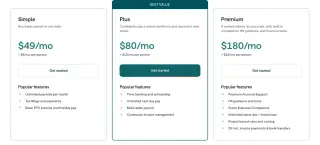
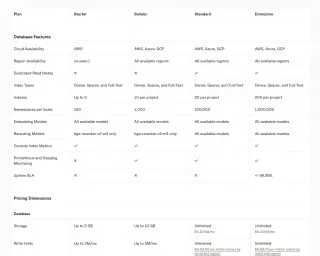
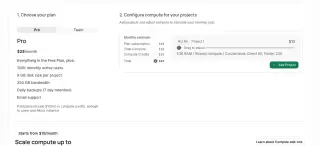
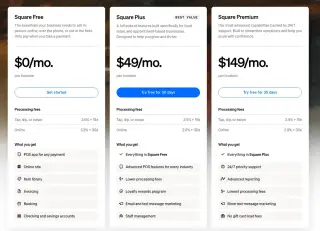
Transparent per-transaction pricing, no sales call
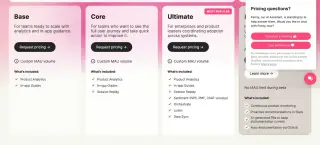
Price transparency5
Tier clarity4
Comparison density4
AI packaging clarity4
Transparent default pricingInteractive calculatorProgressive complexity
UX Teardowns
Every capture is broken down into the patterns it uses and scored 1–5 against a published design rubric, with each score anchored to something actually on the page. Take the patterns into your next design review, or the scores into the conversation about why your own pricing tiers aren’t landing.
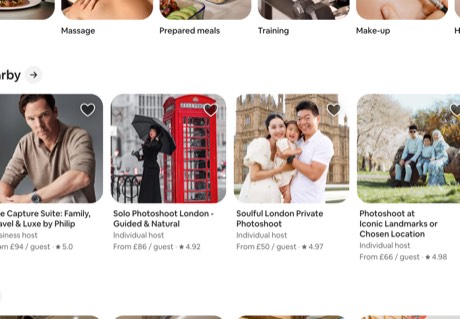 Airbnb
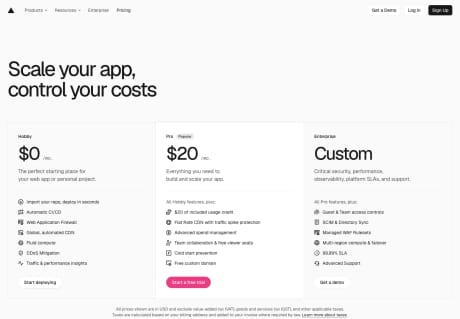 Vercel pricing
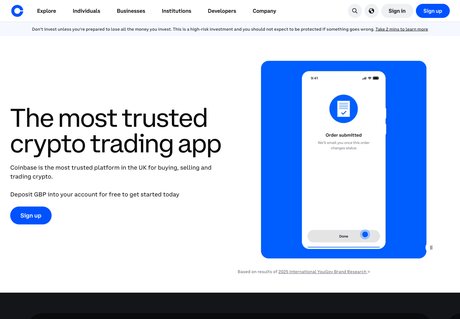 Coinbase
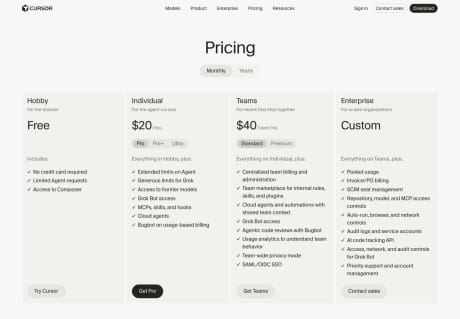 Cursor pricing
 Shopify
 Miro pricing
 Ramp
Ramp Supabase pricing
 Monday.com
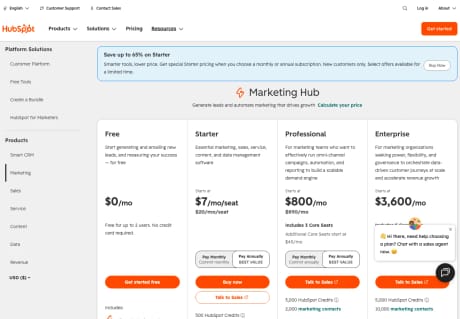 HubSpot pricing
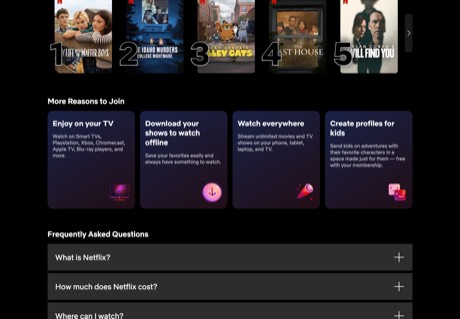 Netflix
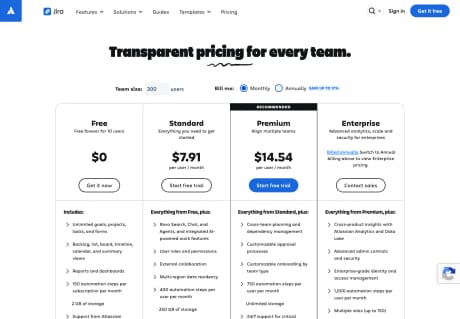 Atlassian pricing
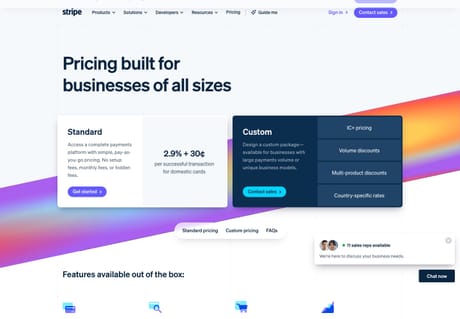 Stripe pricing
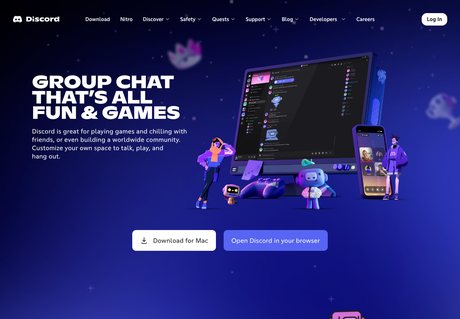 Discord
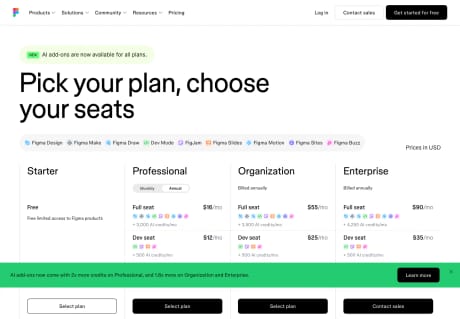 Figma pricing
 OpenAI
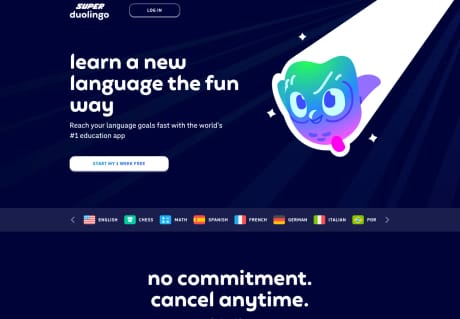 Duolingo pricing
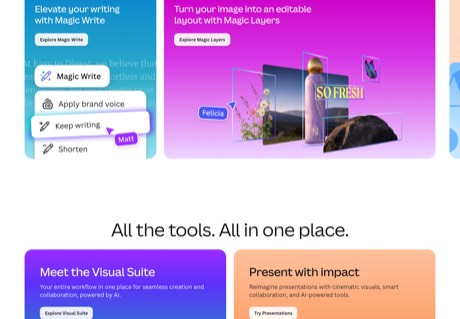 Canva
Canva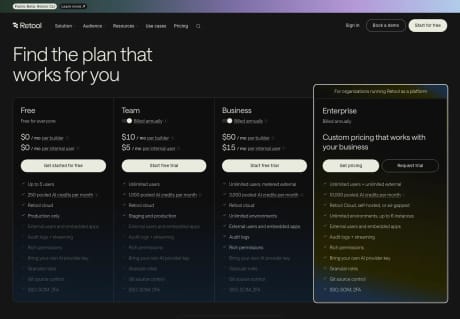 Retool pricing
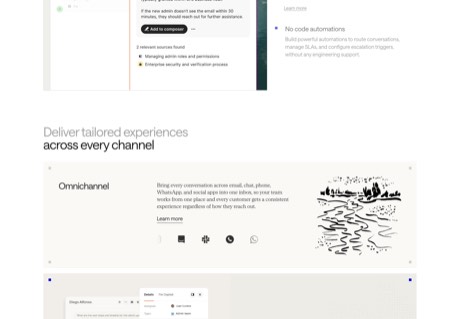 Intercom
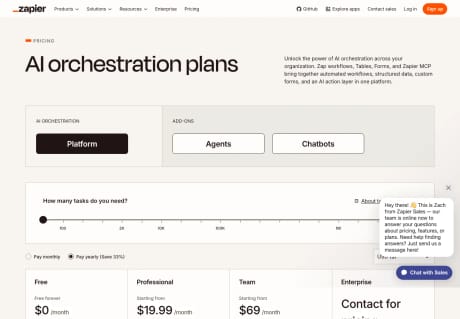 Zapier pricing
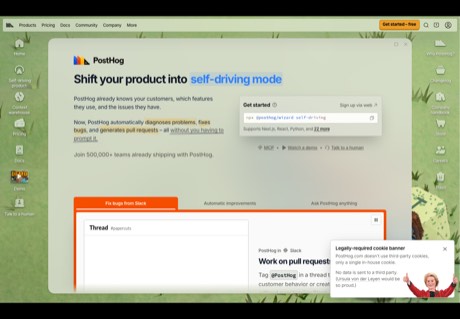 PostHog
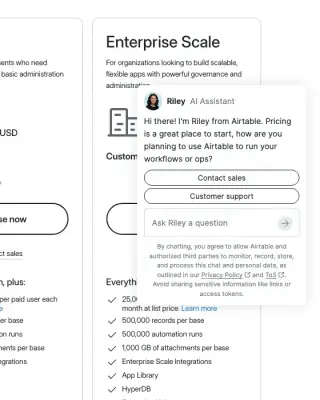
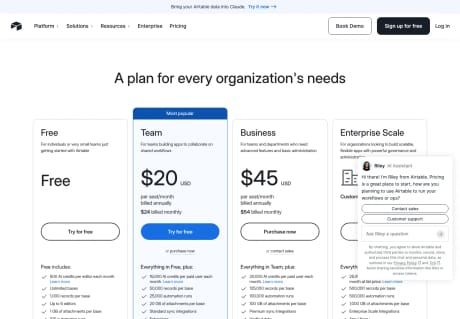 Airtable pricing
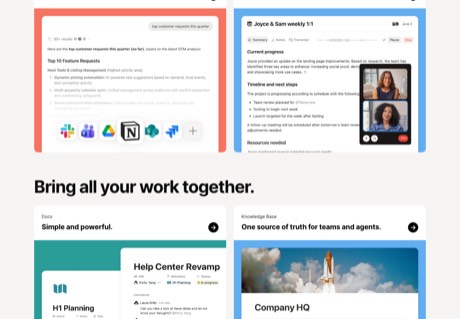 Notion
 Perplexity
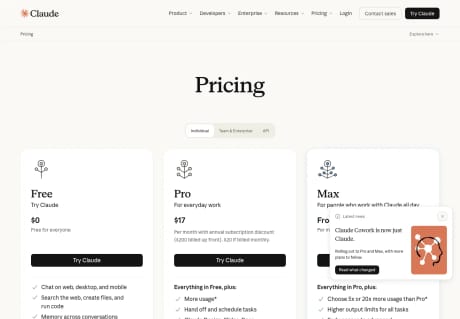 Anthropic pricing
 Uber
Uber GitHub pricing
 Spotify
 Linear pricing
 Cloudflare
 Slack pricing
 Asana
Asana Robinhood pricing
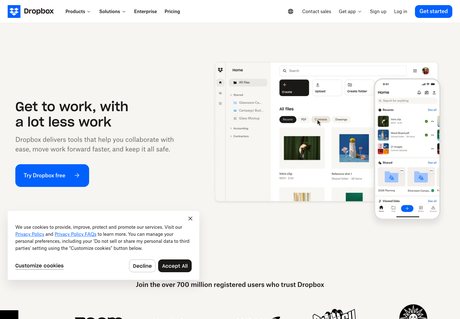 Dropbox
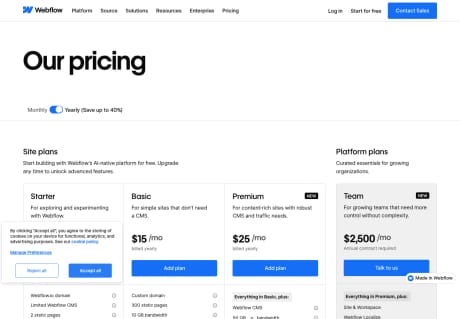 Webflow pricing
Homepages, pricing pages, AI feature flows and search experiences. Every one broken into the patterns it uses and scored against the published rubric — searchable by pattern, so you can see everyone who has already tried the thing you are considering.
homepage, pricing and AI feature teardowns
categories: homepage, pricing, AI features and search
per dimension, each score evidenced against the page
Visual search
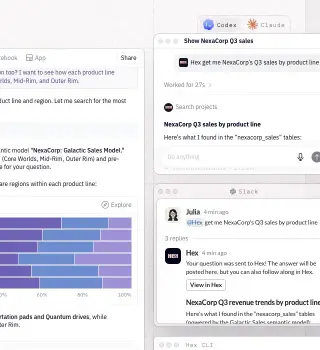
Ask across every homepage, pricing and AI feature teardown, and the answer arrives with real UX components placed right next to the point they prove, drawn from a library of 4,000+ taken from real product pages.
4,000+UX components from homepage, pricing and AI feature teardowns
Visual search
Searches homepage, pricing and AI feature teardowns
UX Scan
UX Scan is the library pointed at a page of your choosing. Paste a URL — your product, a competitor, something you shipped last week — or upload a screenshot. It captures the full page, works out whether it is a homepage, a pricing page or something else, and scores it on the rubric that matches. What comes back is a report: a score per dimension with the evidence behind it, and your position against every page already in the library.
Homepages and pricing pages are benchmarked against every tracked company. Anything else gets a general UX health check.
Capturing page…
Two ways in, and it works out the rest. A URL is captured for you; an image is scored as-is. Page type is detected automatically and you can override it, because the type decides which rubric runs — and a mis-detected page is the one thing that makes a scan read oddly.
Insights
Every page that gets scored rolls up into a view of the market: which homepage approach actually dominates, how far AI has moved up the page, what teams typically score on each dimension, and how pricing is structured underneath it.
Archetype assigned per capture with a confidence rating, from the same rubric every homepage is scored against.
Product-led wins by a distance — but it is not the default. Nearly half of them lead with the product itself, which is worth knowing before you commit to a hero built around a promise instead of a screenshot.
Ask the library a design question and get the range, not one example. Because every page is captured and scored the same way, a question about how something is designed comes back as the spread of approaches actually in use — including the pages that do not do it at all.
The rubric
Each kind of page is scored against its own dimensions — a homepage on four, a pricing page on three, anything else on a general set — and every score has a written definition behind it, so a 2 and a 5 mean the same thing on every page judged the same way. Pick a dimension and move the score to see what the rubric is actually looking at.
Four dimensions. Every tracked homepage is scored on these.
Whether the hero tells you what this is, who it is for, and why it is different.
A slogan and nothing else. No category, no audience, no claim.
Cannot tell what the company does after reading the hero
A growing library
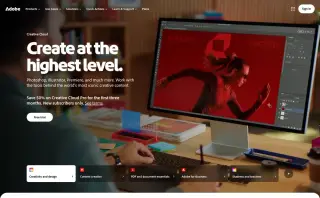
StripeScores 85 / 100Transparent per-transaction pricing, no sales call
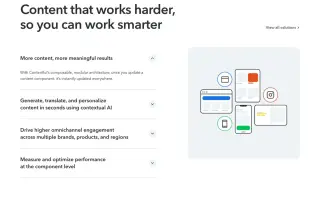
 FigmaAI Design Agent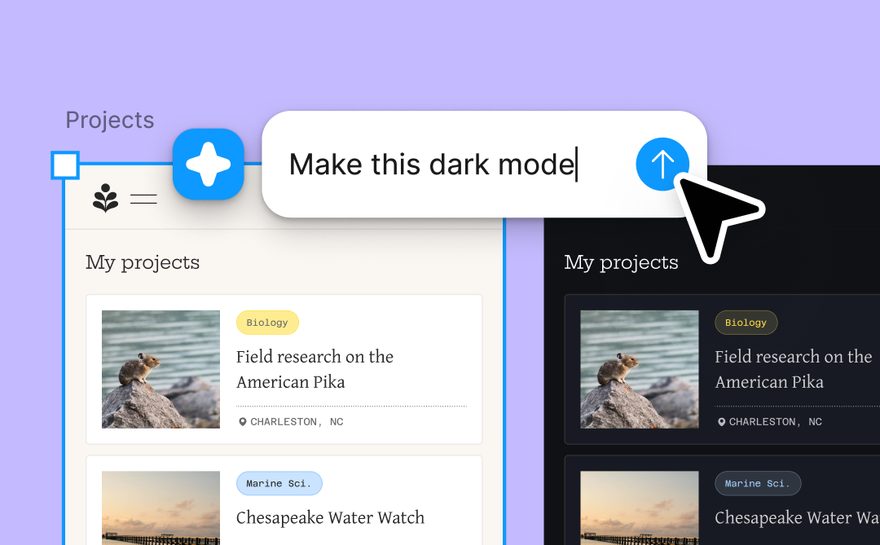
An agent that works on the canvas, not in a sidebar
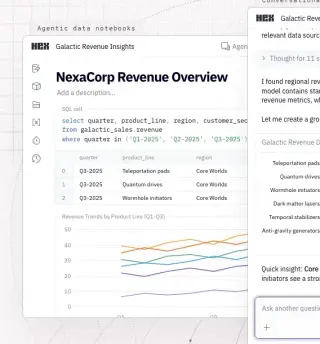
 NetflixNatural Language Search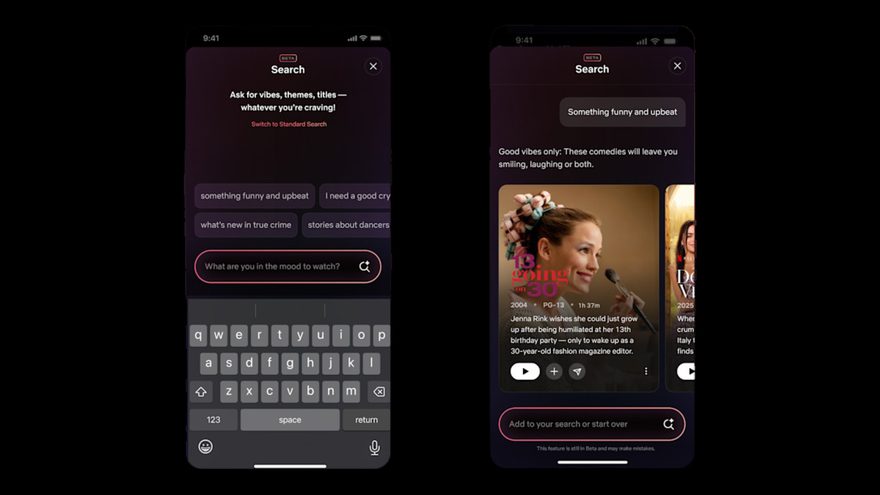
Search by mood, act on the result immediately
 PostHogProduct-led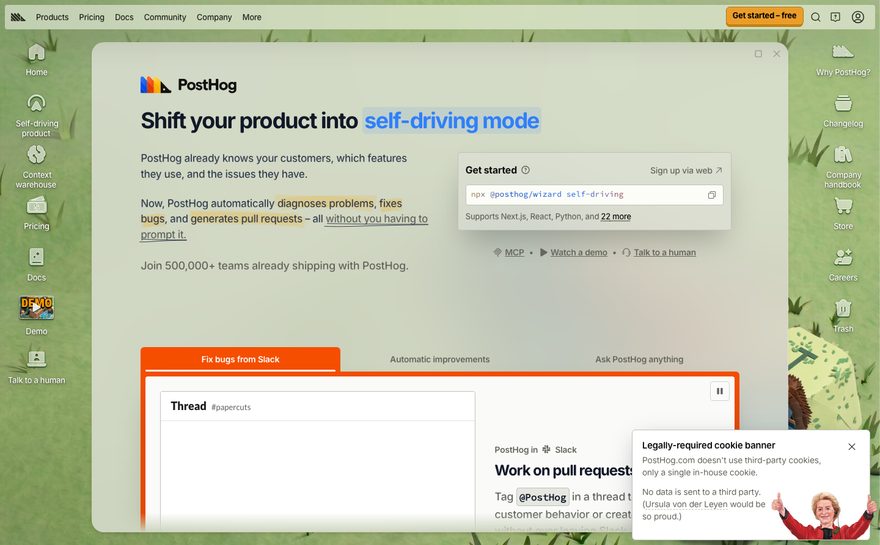
Shift your product into self-driving mode
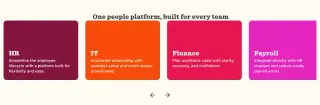
 DeelConversion-led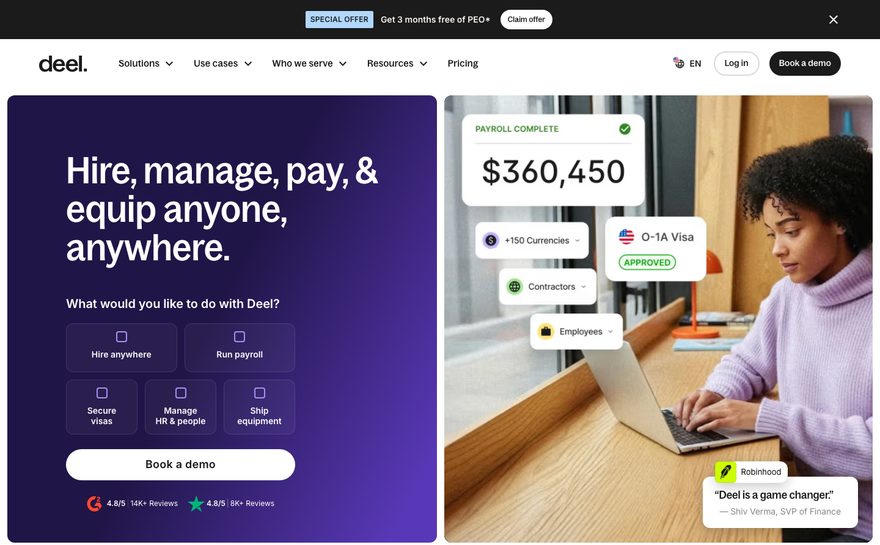
Hire, manage, pay, & equip anyone, anywhere.
 LinearProduct-led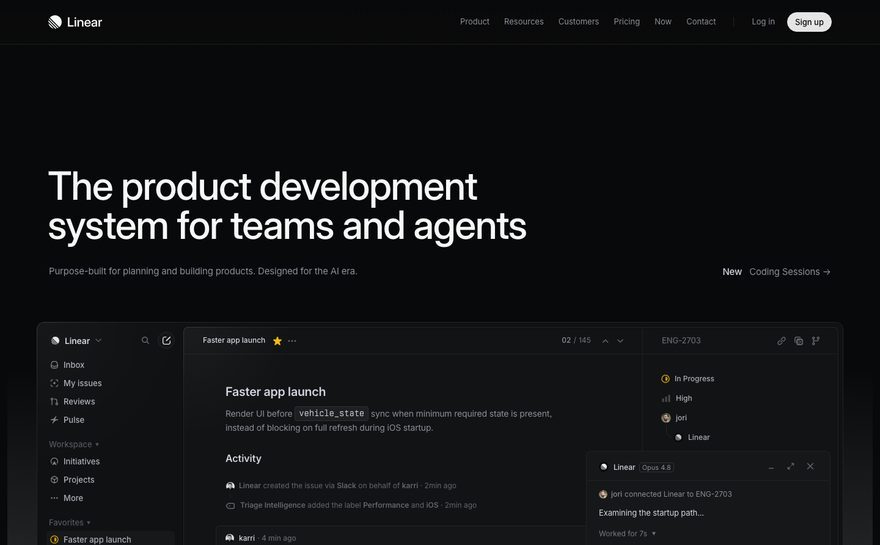
The product development system for teams and agents
See more of the platform